New Key Fob Won't Recall Seat Memory: Arlington TX 2026
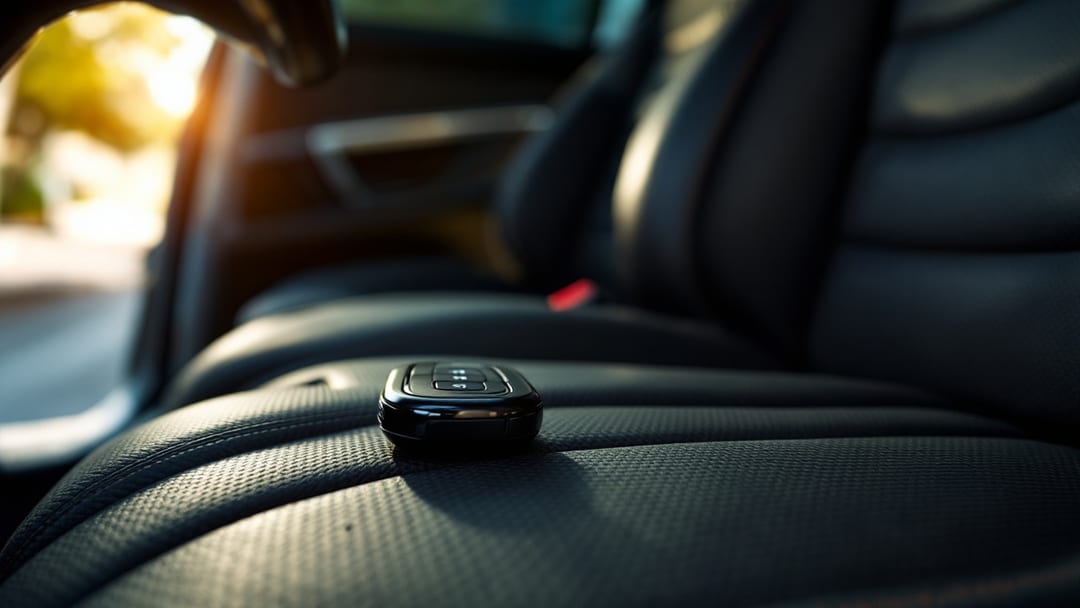
Why your new key fob won't recall your seat
As of September 2026, the most common reason a newly programmed key starts the car but does not move the seat and mirrors to your settings is simple: driver memory is linked to each individual fob, and a new fob has never been linked to a memory slot. The key is fine. It needs one more step, usually a short button sequence from the owner manual. If you need a replacement key in the first place, that runs $80 to $550 in Arlington depending on type. Call or text (817) 646-7134 and we will do the memory link while we are there.
This comes up after almost every key we make for a vehicle with memory seats, and it almost always sounds like something went wrong. It did not. The car is doing exactly what it was designed to do.
Why memory belongs to each fob, not to the car
Every fob programmed to your car has its own identity. When you walk up and unlock, the car does not just see "a valid key", it sees which valid key. That is what makes driver memory work on a two-driver household: your fob moves the seat back, your partner's moves it forward, and neither of you touches a button.
To do that, the car keeps a small table. Fob one recalls memory position one. Fob two recalls memory position two. That table is the part a brand-new key is not in.
| What the programming session does | What it does not do |
|---|---|
| Registers the key with the immobiliser so the engine starts | Link the key to a seat and mirror memory slot |
| Pairs the remote buttons for lock, unlock and trunk | Copy your old key's comfort settings onto the new one |
| Cuts the emergency blade to your locks | Save radio, climate or display preferences to the key |
| Tests start, entry and remote functions | Change anything in the seat or mirror modules |
So a correctly programmed key can leave the seat exactly where it was, and that is the expected result rather than a fault.
The five situations we see most
1. A brand-new key that has never been linked
The textbook case. You lost a key, we made a new one, it starts the car and works the locks, and the seat does nothing when you unlock. The fob is registered, but the memory table has no entry for it.
The fix: link it. See the procedure below, or ask us to do it at the appointment.
2. Settings swapped between two keys
On some vehicles, adding a key rebuilds the whole list of registered fobs. The order the fobs are registered in decides which one is key one and which is key two, and the memory slots follow the numbers rather than the physical keys. If that order changed, your partner's seat position suddenly belongs to your key.
The fix: relink each fob to its own slot. It takes a minute per key. When we program keys on a memory-seat vehicle, we ask which fob belongs to which driver so we can register them in the right order.
3. A used key from the previous owner
If you bought the vehicle used and the second key came from the seller, that key may still be linked to the previous owner's memory slot. It will start the car and recall a stranger's seat position.
The fix: save your own position and relink the key. And if you bought the car with only one key, our used-car second key guide covers what adding a second costs.
4. After the 12-volt battery was disconnected
Disconnecting the car battery can clear stored seat and mirror positions, and on a few models it also clears the link between fob and memory slot. The keys still start the car, so the memory loss looks like a key problem when it is a comfort setting being reset.
The fix: resave the positions and relink the fobs. If your fob also stopped working after a battery change, that is a different problem covered in our guide to a key fob not working after a car battery change.
5. The feature is switched off in settings
Many vehicles let you turn fob-linked memory on or off in the settings menu, under a name like remote memory recall, key-linked memory or driver identification. It is sometimes off by default, and a dealer software update or a settings reset can switch it off.
The fix: check the settings menu before anything else. It is the cheapest fix on this page.
How to link a new fob to your memory settings
The exact sequence is different on every make, and sometimes between models from the same make, so the owner manual is the authority. It is usually listed under memory seat, driving position memory or personalization. Most sequences share the same shape:
- Set the seat and mirrors exactly where you want them, with the vehicle in Park.
- Save the position to a memory button, usually by pressing a set button and then the numbered button.
- Link the fob by pressing its lock or unlock button within a few seconds of saving, or by holding the memory button while you press a fob button.
- Test it. Move the seat, lock the car, walk away, and unlock with that fob. The seat should move to the saved position.
Repeat for each fob and each driver. If the car has a settings menu for the feature, confirm it is turned on first.
Note: Do not use a memory link sequence found for a different make. Pressing buttons in the wrong order on some vehicles can overwrite a saved position rather than link it. The owner manual, or the manufacturer's online owner resources, has the correct sequence for your exact model.
Other settings that live on the fob
Seat and mirrors are the obvious ones. On many newer vehicles, the fob identity also selects a wider driver profile, which can include:
- steering column position
- climate temperature and fan settings
- radio presets and audio source
- display layout, units and language
- which phone the infotainment system tries to connect first
A new key may start with the default profile for all of these. That is the same cause and has the same fix: link the new fob to your profile, usually through the settings menu rather than the seat buttons.
When it really is a fault, and not the key
The fob link only tells the car which memory slot to recall. It does not move anything itself. So the test is simple: try recalling the position from the memory buttons on the door.
- The door button moves the seat, the fob does not. The fob is not linked, or the feature is off. Relink it.
- Neither the door button nor the fob moves the seat. The problem is the seat module, a motor or the wiring. That is a vehicle repair rather than key work, and a new key will not change it.
- The fob does not start the car either. That is not a memory problem at all. If the engine fires and dies after a second or two, see the car starts then dies guide. If only one of your fobs misbehaves, the one fob stopped working guide applies.
Which vehicles this affects in Arlington
Fob-linked driver memory is common on the family SUVs, minivans and luxury models that fill Arlington driveways. We see it most on:
- Chrysler Pacifica. Memory seat trims link driver settings to each fob, and it is one of the most common post-programming questions we get. Our Pacifica smart key programming guide covers the key side.
- Lexus and Toyota. Driving position memory can be linked to each smart key on many models, as covered in our Lexus ES, RX and NX key guide.
- Ford and Lincoln. Memory seats and power columns on higher trims recall from the fob, and the Explorer fob programming guide and Navigator and Aviator key guide cover those keys.
- Cadillac, BMW, Infiniti and Acura. All commonly link driver profiles to individual keys. See the Cadillac XT5 and XT4 fob guide, the BMW X3 and X5 key guide and the Infiniti key cost guide.
What a replacement key costs, if you need one
If you are reading this before replacing a lost key, the memory link is a free step at the end of the job. The key itself, from this site's published bands, as of September 2026:
| Job | Arlington price, 2026 |
|---|---|
| Program a fob you already own | $80 - $220 |
| New proximity smart key, supplied, cut and programmed | $220 - $550 |
| New bladed transponder key, cut and programmed | $140 - $280 |
| All keys lost | $280 - $850 |
Details are on our smart key programming and key fob programming pages. Before any key is made we verify ownership with photo ID against the registration or title, under the vehicle security rules set by the NASTF Vehicle Security Professional programme. In Texas, the locksmith doing the work operates under the Texas DPS Private Security Program. The NHTSA vehicle theft prevention resources explain why registering keys is kept deliberately controlled.
Frequently Asked Questions
Why doesn't my new key fob recall my seat position?
On most vehicles with driver memory, each fob carries its own identity and the car links a memory slot to that identity. A newly programmed fob is a new identity, so the car has no memory slot attached to it yet. The fob starts the car and works the locks, but it has never been told which seat and mirror position belongs to it. Linking it is usually a short procedure in the owner manual.
Did the locksmith program my new key wrong?
Almost certainly not, if the key starts the car and the lock and unlock buttons work. Programming registers the key with the immobiliser and the remote system. Driver memory is a separate comfort setting stored against each fob, and on most vehicles it is linked by the owner through a button sequence rather than by the programming session. We can do the link at the appointment if you ask.
How do I link a key fob to my memory seat settings?
The sequence varies by make, but most follow the same shape. Set the seat and mirrors where you want them, save the position to a memory button, then within a few seconds press the lock or unlock button on the fob you want linked. The owner manual lists the exact steps under memory seat, driving position memory or personalization. Some vehicles also need the feature switched on in the settings menu.
My memory settings swapped between keys after a new key was made. Why?
On some vehicles, adding a key rebuilds the list of registered fobs, and the order the fobs were registered in decides which one is key one and which is key two. If that order changed, the memory slots follow the numbers rather than the physical fobs, so your partner's settings appear on your key. Relinking each fob to its slot puts them back.
Does replacing the car battery erase seat memory?
On some vehicles, yes. Disconnecting the 12-volt battery can clear stored seat and mirror positions, and on a few models it also clears the link between fob and memory slot. That is a comfort setting being reset, not a key failure. Resave the positions and relink the fobs, and everything returns to normal.
When is a memory seat problem not about the key?
When the seat will not move to a saved position from the door buttons either, or when it will not move at all. The fob link only tells the car which slot to recall. If recalling that slot from the buttons also fails, the problem is the seat module, a motor or the wiring, which is a vehicle repair rather than key work.
How much does a replacement key cost in Arlington if I need one?
As of September 2026 in Arlington, programming a fob you already own runs $80 to $220, a new proximity smart key supplied, cut and programmed runs $220 to $550, and a bladed transponder key runs $140 to $280. Linking the new key to your memory settings is included at the appointment if you ask for it while we are there.
Need a key for a memory-seat vehicle in Arlington?
Tell us the make, model and year, how many drivers use the car, and which fob belongs to whom, then call or text (817) 646-7134. We register the keys in the right order and link each one before we leave. We cover North Arlington, South Arlington, the Entertainment District and Dalworthington Gardens and Pantego.
Related pages
Need a car key in Arlington right now?
VIN-based flat-rate quote before we dispatch. NASTF VSP registered.
Call · (817) 646-7134