Immobilizer, BCM & ECU Key Programming in Arlington TX
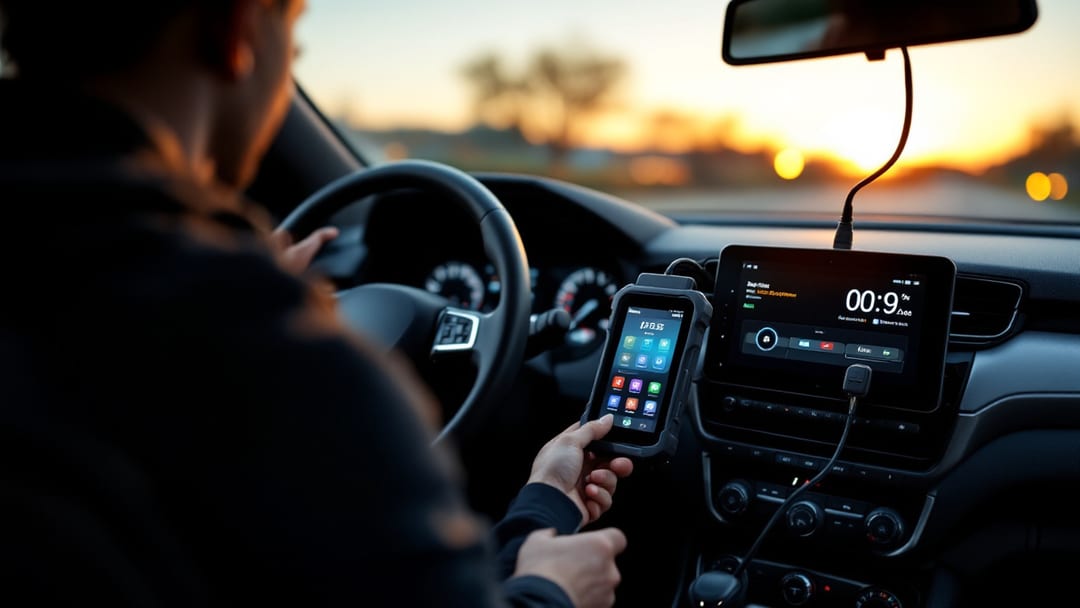
What actually happens when a locksmith programs a car key?
As of July 2026, programming a modern car key means teaching three computers to trust a new key, and Arlington Car Keys does exactly that at your location, typically for somewhere between $130 and $500 depending on the vehicle and whether keys are lost. The three things that make our programming reliable: we read immobilizer data on-site with professional equipment, we handle all-keys-lost jobs including EEPROM reads when a car needs one, and we operate as a licensed and insured locksmith with access to legitimate secure-data channels. Call or text (817) 646-7134 for a flat-rate quote before we come out.
Most drivers picture key programming as plugging in a tool and pressing a button. Sometimes it really is close to that. But under the hood, your car is running a small network of security computers that all have to agree before the engine will start. Understanding the immobilizer, the BCM, and the ECU, and how they talk to each other, explains why some keys take ten minutes and others take an hour or need special work. This is our pillar guide to how programming works.
What is the immobilizer and why does it stop the engine?
The immobilizer is the anti-theft brain that decides whether your key is allowed to start the car. When you insert a transponder key or bring a smart fob near the vehicle, an antenna reads the chip's unique code. The immobilizer compares that code against the list of keys it has stored. If it matches, it authorizes the engine to start. If it does not, the engine stays disabled even if the starter cranks.
This system is why hot-wiring modern cars does not work, and it is why a mechanically cut key that has not been programmed will open the doors but never start the engine. The immobilizer is the gatekeeper, and programming a key means adding that key's code to the gatekeeper's approved list.
The National Automotive Service Task Force describes the Secure Data Release Model as the mechanism that gives qualified, credentialed locksmiths access to the vehicle security information needed to service immobilizer systems responsibly. — National Automotive Service Task Force (NASTF), nastf.org/vsp
How do the BCM and ECU fit into key programming?
The immobilizer rarely acts alone. On most modern vehicles it is woven into two larger computers.
The BCM, or body control module, is the car's electronics manager. It controls door locks, interior lights, wipers, and often houses or coordinates the immobilizer function. On many vehicles the immobilizer data actually lives inside the BCM, which is why key programming sometimes means communicating with the BCM rather than a standalone box.
The ECU, or engine control unit, is the computer that runs the engine, fuel, timing, and ignition. Even after the immobilizer approves your key, the ECU has to confirm that approval before it delivers fuel and spark. On some vehicles the immobilizer and ECU share a paired secret code, so both have to recognize the key.
That is why programming can involve a conversation between multiple modules. The tool talks to the immobilizer or BCM to add the key, and on certain cars it also synchronizes with the ECU. When all of them agree the key is valid, the engine starts. When you understand this, symptoms like a car that cranks but will not run, or a smart key that suddenly stops working, make a lot more sense.
What is the difference between adding a spare key and all-keys-lost programming?
This is the single biggest factor in how long a job takes and what it costs.
Adding a spare, sometimes called add-a-key, means the car already has at least one working key. The immobilizer is already unlocked and cooperative, so the equipment can add a new key relatively quickly. This is the easy path, and it is why we always recommend having a spare made before you lose your last key.
All-keys-lost means there is no working key at all. Now the immobilizer will not simply open up, because the whole point of the system is to resist exactly that. The locksmith has to authenticate to the security system, sometimes wait out a built-in security timer, and in some cases read data directly from a module. This is more involved, which is why an all-keys-lost job costs more and takes longer than a spare. Our EEPROM and all-keys-lost guide walks through the timelines in detail.
What is an EEPROM read, and when is it necessary?
EEPROM stands for electrically erasable programmable read-only memory. In plain terms, it is a small memory chip inside a module like the BCM or immobilizer where the security data and key codes are stored.
On many vehicles, an all-keys-lost key can be made straight through the OBD-II diagnostic port, no disassembly required. But on certain vehicles, the security data is locked down so tightly that the only way to recover the key code is to read the EEPROM chip directly. That may mean carefully accessing the module and reading its memory with specialized equipment, then calculating the key credential from that data.
An EEPROM read is a precision job that requires training and the right tools. It is not something a hardware-store kiosk or a general mechanic performs. It is exactly the kind of work that separates a qualified automotive locksmith from a key copier. When your specific vehicle needs it, we diagnose that first and explain it before we begin.
What is NASTF and how does secure data affect Arlington drivers?
Newer vehicles guard their security data more aggressively than ever, which is a good thing for theft prevention but a problem if you legitimately need a key. This is where NASTF comes in.
The National Automotive Service Task Force runs the Secure Data Release Model, or SDRM, a vetting system that lets registered, background-checked locksmiths access the manufacturer security information needed to program keys on modern cars. It is the bridge that lets a legitimate mobile locksmith serve you without weakening the anti-theft systems that protect everyone. When you hire a credentialed locksmith, this framework is part of why they can make a key for a late-model vehicle that a corner shop cannot.
You can read more about how this ecosystem is meant to work at the NASTF Vehicle Security Professional program, and learn how the trade is licensed in our state through the Texas DPS Private Security Program. For vehicle theft prevention context, the NHTSA is a solid resource.
When can a locksmith program on-site, and when does a module need bench work?
The great majority of key programming in Arlington happens right where your car sits, through the OBD-II port under the dash. That covers add-a-key jobs and most all-keys-lost jobs across common Toyota, Honda, and Ford models.
Bench work, where a module such as the BCM or immobilizer is physically removed from the vehicle and read on a workbench, is the exception. It is reserved for specific vehicles or situations where the security data simply cannot be reached through the port. Some late-model European vehicles are more likely to fall into this category. The key point is that we diagnose the correct approach before touching anything, and we tell you upfront whether a job is straightforward OBD programming or something more involved.
| Programming scenario | Typical method | Relative time | Notes |
|---|---|---|---|
| Add a spare (working key present) | OBD-II on-site | Fastest | Immobilizer already unlocked |
| All-keys-lost, standard vehicle | OBD-II on-site | Moderate | May include a security wait timer |
| All-keys-lost, EEPROM required | Module read on-site or bench | Longer | Precision data read needed |
| Late-model European / secure module | Secure data or bench work | Longest | Diagnosed and quoted first |
Timeframes are relative, not fixed, and depend on the exact make, model, and year. For a definitive answer on your car, text (817) 646-7134.
A real Arlington scenario: all-keys-lost near UTA
Consider a graduate student living in North Arlington near the University of Texas at Arlington, not far from the Entertainment District and AT&T Stadium. He lost his only key over a weekend, so his sedan sat in the apartment lot with no way to start it. A dealer wanted it towed in and quoted a multi-day wait.
Instead he texted us the year, make, and model. We confirmed it was an all-keys-lost situation and that his vehicle stored its immobilizer credential in a module we could read on-site. We arrived, cut a fresh VIN-based key, read the immobilizer data through the port, generated the new key credential, programmed it, and reset the system so any old key was wiped from memory. No tow, no dealer wait, done in his own parking lot. That is the practical payoff of understanding which computers hold the data and how to reach them, which is the whole point of this guide.
How does this connect to the rest of your key service?
Programming is one piece of a larger picture. The immobilizer knowledge here underpins our transponder key programming, smart key programming, and key fob programming services, and it is essential to any lost car keys or all-keys-lost job. If you are weighing a locksmith against the dealership, our cost comparison guide lays out why the mobile route usually wins on both price and time, and our mobile key cutting and programming overview shows the full process end to end.
Arlington Car Keys is a licensed and insured mobile automotive locksmith serving all of Arlington, from North Arlington and the Entertainment District down through South Arlington, the I-20 corridor, and Dalworthington Gardens. We work on brands ranging from Toyota and Ford to BMW and Mercedes-Benz, including European car keys that need secure-data handling.
Frequently Asked Questions
What is the difference between an immobilizer, a BCM, and an ECU?
The immobilizer is the anti-theft system that verifies your key's chip. The BCM, or body control module, manages electronics like locks and lights and often stores immobilizer data. The ECU, or engine control unit, runs the engine and must agree the key is valid before it lets the engine start.
Can a locksmith program my key without the original key present?
Yes, that is an all-keys-lost job. Using professional equipment we read your car's immobilizer data, generate or reset the key credential, and program a brand-new VIN-cut key. It takes longer than adding a spare because some vehicles require a security wait timer or an EEPROM read of a module.
What is an EEPROM read and why does my car need one?
EEPROM is the memory chip inside a module like the BCM or immobilizer that stores security data. On some vehicles the only way to recover the key code in an all-keys-lost situation is to read that chip directly. It is a precise procedure that a trained locksmith performs with specialized tools.
What is NASTF secure data and how does it affect key programming?
NASTF, the National Automotive Service Task Force, runs the Secure Data Release Model that lets credentialed, vetted locksmiths access manufacturer security information needed to program keys on newer vehicles. It exists so legitimate locksmiths can serve you without compromising anti-theft protection on modern cars.
When does a module have to be removed for bench work?
Most programming happens on-site through the OBD port. Bench work, where a module is removed and read directly, is reserved for specific vehicles or situations where the data cannot be reached through the port. We diagnose this first and tell you before any module is touched, so there are no surprises.
Does reprogramming keys erase my lost keys for security?
In an all-keys-lost job we typically reset the immobilizer so every previously issued key stops working, which protects you if a key was stolen. When we simply add a spare to a car that already has a working key, your existing keys remain valid and the new one joins them.
Need a key programmed in Arlington?
From a quick add-a-key to a full all-keys-lost immobilizer reset, we handle the programming at your location and explain exactly what your vehicle needs before we start. Text us your year, make, and model for a straight answer.
Call or text (817) 646-7134 for a flat-rate quote, or reach us through our contact page. We serve North Arlington, South Arlington, and all of Arlington, TX.
Need a car key in Arlington right now?
VIN-based flat-rate quote before we dispatch. NASTF VSP registered.
Call · (817) 646-7134